Chamba: A Guide to the Ancient Mountain Town
Ancient Himalayan history, vibrant Pahari culture, and untouched natural beauty.
The Story of Chamba (History)
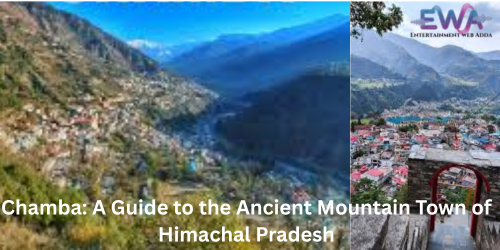
Founded in 920 AD by Raja Sahil Varman, Chamba is a rare historical treasure. The King moved the capital from Bharmour to this plateau at the request of his daughter, Champavati. Guarded by the formidable Dhauladhar and Pir Panjal ranges, the town remained isolated and unconquered for nearly 1,000 years, preserving a cultural lineage that remains unbroken today.
Land and Weather
Located on the banks of the Ravi River at nearly 1,000 meters altitude, Chamba offers a unique climate profile:
- Summers: Pleasant and mild, unlike the heat of the plains.
- Winters: Crisp and cold. While the town itself sees occasional light snow, the surrounding high-altitude meadows (like Khajjiar) turn into a deep winter wonderland.
Culture and Craft
Chamba is the heart of Pahari Art. Visitors should look for:
- Chamba Rumal: “Needle-paintings” that are legally protected by GI (Geographical Indication) status.
- Minjar Mela: An iconic week-long festival celebrating nature’s bounty.
- Chamba Chappals: World-famous, intricate leather work.
Top Places to Visit
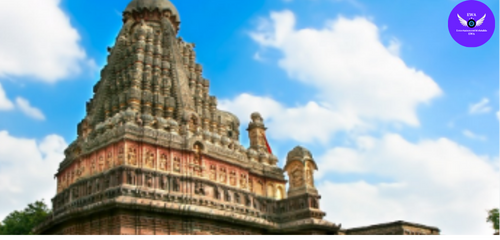
- Lakshmi Narayan Temple: A massive stone complex dating back to the 10th century.
- The Chaugan: The sprawling green heart of the city where local life unfolds.
- Akhand Chandi Palace: A reflection of the royal grandeur of the Varman dynasty.
- Bhuri Singh Museum: A treasure trove for those interested in medieval inscriptions and miniature paintings.
Travel from Bangalore
For travelers coming from Bangalore (approx. 2,700 km), the most convenient route involves:
- Air: Fly to Chandigarh or Amritsar.
- Road: A scenic 6-to-8 hour drive through the winding mountain roads of Himachal.
- Rail: The nearest major station is Pathankot, roughly 120 km away from Chamba.