Local Se Global
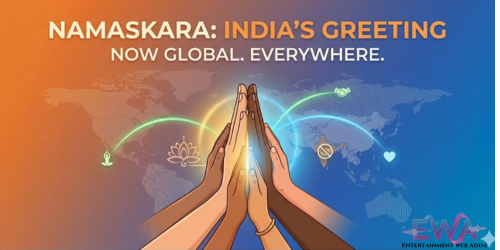
Namaskara: India’s Greeting for the World
The Modi Impact: Making Namaste Multinational
In recent years, the humble Indian greeting “Namaste” has undergone a massive global transformation. Under the leadership and strategic vision (Raniti) of Prime Minister Narendra Modi, this traditional gesture has moved from the streets of India to the halls of global power.
- Cultural Diplomacy: PM Modi has consistently used “Namaste” on every international stage—from the UN General Assembly to major summits like the G20. By doing so, he turned a simple greeting into a powerful brand of Indian culture.
- “Local se Global”: As PM Modi recently noted in his addresses to the diaspora, “Our Namaste has now become multinational.” It is no longer just an Indian habit; it is a global identity.
- The COVID-19 Era: During the pandemic, PM Modi’s advice to the world to adopt “Namaste” instead of handshakes was picked up by top world leaders. Figures like the President of the USA, the Prime Minister of Israel, and European royalty were seen using the gesture, recognizing it as the most scientific and “virus-proof” way to greet.
- Connecting the Diaspora: Through events like ‘Howdy Modi’ and ‘Namaste Trump,’ the greeting became a bridge between India and the rest of the world, making every Indian abroad a brand ambassador for this tradition.
What is Namaskara?
“Namaskara” or “Namaste” is much more than just a “hello.” When we join our palms together near our heart and bow, we are practicing a deep spiritual ritual. The word comes from Sanskrit: Nama (bow), as (I), and te (you), meaning “I bow to the divine spark within you.” It is a beautiful way of saying that despite our differences, our souls are one.
Why the World is Loving It
Beyond its spiritual meaning, Namaskara has become a global favorite for several practical reasons:
- No-Contact Safety: In a world that is more health-conscious, Namaste allows us to show deep warmth and respect without physical contact, making it perfectly hygienic.
- Universal Equality: Unlike a salute or a formal bow that might show rank, Namaste is a greeting between equals. It doesn’t matter if you are a world leader or a common citizen; the gesture remains the same.
- Mind-Body Connection: Scientifically, joining the hands connects the right and left hemispheres of the brain, bringing a sense of calm and focus to the person greeting.
The Ancient Roots: Who Made This?
Namaskara was not created by a single person or a company. It is a gift from the ancient Rishis (Sages) of India. Thousands of years ago, they designed this gesture as part of the Vedic way of life.
- The Spiritual Science: Ancient masters understood that the fingertips are energy points. By touching them together in Anjali Mudra (the prayer pose), we balance our internal energy.
- Vedic Tradition: It has been mentioned in the oldest scriptures like the Rigveda, proving that Indians have been practicing this “global trend” for over 5,000 years.
- A Way of Life: It was established to promote “Humility” (Vinaya). By bowing, we keep our ego in check and show that we respect the life in everything around us.
Just as Namaskara connects people through respect, other Indian traditions like music and divine stories connect us to a higher power. For example, the history of Lord Krishna’s flute shows how sound and tradition have always been used to bring peace to the world.
Explore the History Further:
To dive deeper into the secrets of Indian traditions and the formal history of this greeting, check out these links:
- Discover the divine sound: Lord Krishna’s Flute: History and Secrets
- Read the full cultural history: The Meaning of Namaste (Wikipedia)