
Makar Sankranti : Makar Sankranti is here, bringing with it sunlight, sweets, and endless fun! This colorful harvest celebration takes place on January 14, 2026, when the sun enters Capricorn (Makar rashi). The sky are illuminated with kite-flying fights, family ties, and rejuvenation. Prepare to fly high with happy kites!
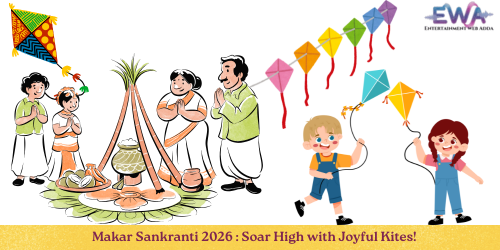
Makar Sankranti 2026
Muhurta and an auspicious date for 2026
Put Wednesday, January 14, 2026, in your calendars. The most fortunate moment, the golden Punya Kaal Muhurta, occurs between 7:32 and 9:15 AM IST, but the event begins at sunrise. This is ideal for lighting bonfires, praying to the sun deity Surya, and taking sacred baths in rivers. Clear skies are perfect for kite festivals in Bengaluru. Astrologers advise beginning rituals at this time to maximize health and prosperity rewards.
Click here to read about Shanta Rama’s Forgotten Sister.
Makar Sankranti
Traditional Indian Celebrations in India
- Makar Sankranti is known by a variety of happy names and traditions throughout India.
- Kite craze reigns supreme in Gujarat (Uttarayan)! “Patang” battles are a common sight on rooftops. Families indulge in tilgul laddoos and undhiyu (veggie combination). Chants of “Kite no patang, Uttarayan no rang!” flood the air.
- Maharashtra (Sankranti): “Tilgul ghya, god god bola!” is shared with sweet tilgul (sesame-jaggery). Haldi kumkum, or bonfires, protect against evil.
- Tamil Nadu (Pongal): An extravagant four days! On the first day, boil fresh rice with jaggery (Bhogi Pongal). Homes are adorned with kolam (rangoli) designs, and cows are ornamented.
- Karnataka (Sankranti or Suggi): sugarcane feasts, ellu-bella (a mixture of sesame and jaggery), and kite flying in Bengaluru’s skies. Rural people worship animals as a way to rejoice.
- Andhra Pradesh/Telangana (Pongal/Sankranti): The tastes of life are represented with bonfires, rangoli, and pacchadi (a sweet-sour mixture).
Global Twists on the Festival
The spirit of Makar Sankranti transcends national boundaries as well.
Nepal (Makar Sankranti or Maghe Sankranti): Sesame-based dishes like tarul ko achar are served after holy baths in rivers like Bagmati. It has to do with warmth and ancestry.
Bangladesh (Poush Sankranti): The harvest is celebrated with date candies (pithas) and traditional music. Flying a kite is simple yet enjoyable.
Fiji (Indian diaspora): Indo-Fijians name it Makar Sankranti, combining Pacific cuisine with kite festivities.




Pingback: Border 2 : Sunny Deol Returns Teaser Unleashes War Fury