
Jagannath Puri Rath Yatra 2026 : Complete Schedule & Rituals
Puri Rath Yatra 2026 : Step into the mystical, centuries-old timeline of the grandest chariot festival on Earth with complete dates.
Puri Rath Yatra 2026
The spiritual groundwork for the Rath Yatra begins long before the actual procession. On the auspicious day of Akshaya Tritiya, the construction of the three giant, unique wooden chariots (Nandighosha, Taladhwaja, and Debadalana) starts outside the palace of the King of Puri. Hereditary artisans use traditional tools and strict rules passed down through generations without using modern blueprints.
This is the ceremonial bathing day of the deities. Lord Jagannath, Lord Balabhadra, and Devi Subhadra are brought out of the temple’s dark sanctum to a public bathing platform (Snana Bedi). They are bathed with 108 pots of scented, pure well-water. After this intense ritual, the deities are dressed in the famous ‘Ganesha Vesha’ (elephant attire) to delight their devotees.
Having bathed with so many pots of water, the deities catch a fever! For the next 15 days, they enter a private isolation chamber called the ‘Anasara Ghar’. During this period, the public cannot view the main idols. Instead, secret herbal medicines, special roots, and fruit extracts are offered to them by traditional healers to restore their health.
After 15 days of healing, the deities are completely refreshed. Temple priests repaint their expressive eyes in a beautiful ritual called ‘Netrotsava’ (Festival of the Eyes). Immediately after, they appear before the eager public in their dazzling, rejuvenated forms, known as ‘Nava Yauvana Darshan’ (The Appearance of Youthfulness).
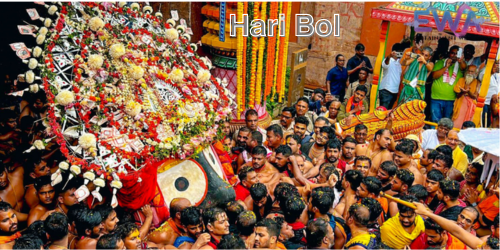
The ultimate peak of the entire festival. Millions of devotees gather on the Grand Road (Bada Danda) of Puri. After the deities are safely seated inside their massive chariots during the rhythmic, swaying procession called ‘Pahandi’, the Gajapati Maharaja (King of Puri) performs the ‘Chhera Pahanra’ ritual, sweeping the chariot floors with a golden broom to show that everyone is equal before God. Devotees then joyfully pull the heavy ropes, moving the grand chariots toward the Gundicha Temple.
After spending a peaceful week at the Gundicha Temple blessing devotees, the three siblings begin their journey back to the main Jagannath Temple. This reverse procession is known as the Bahuda Yatra. On the way back, the chariots briefly halt at the Mausi Maa Temple to receive an offering of a special baked sweet cake called Poda Pitha.
When the chariots arrive outside the main temple, they don’t go inside right away. Instead, they remain parked outside for a spectacular evening. The deities are adorned with hundreds of kilograms of solid gold jewelry, hands, and feet brought out from the temple treasury. Seeing the Lord in ‘Suna Besha’ on top of his chariot is believed to break the cycle of rebirth.
Before finally entering the temple, a sweet, holy drink made from milk, sugar, cheese, and spices called ‘Adhara Pana’ is offered to the deities in tall earthenware pots on July 26. The pots are broken on the chariot floor so local spirits can consume it. Finally, during ‘Niladri Bije’ on July 27, the deities are lovingly carried back inside the temple, marking the happy conclusion of the festival.
Planning Your Devotional Journey?
If you wish to immerse yourself in the divine energy of Puri and witness these rituals firsthand, secure your peaceful stay by checking out Stay at Puri Jagannatha.
For more cultural insights, updates, and news regarding the grand celebrations, don’t forget to explore Entertainment Web Adda Puri Features.